
Acton Transport Museum Depot Wins £237,000 Heritage Grant |
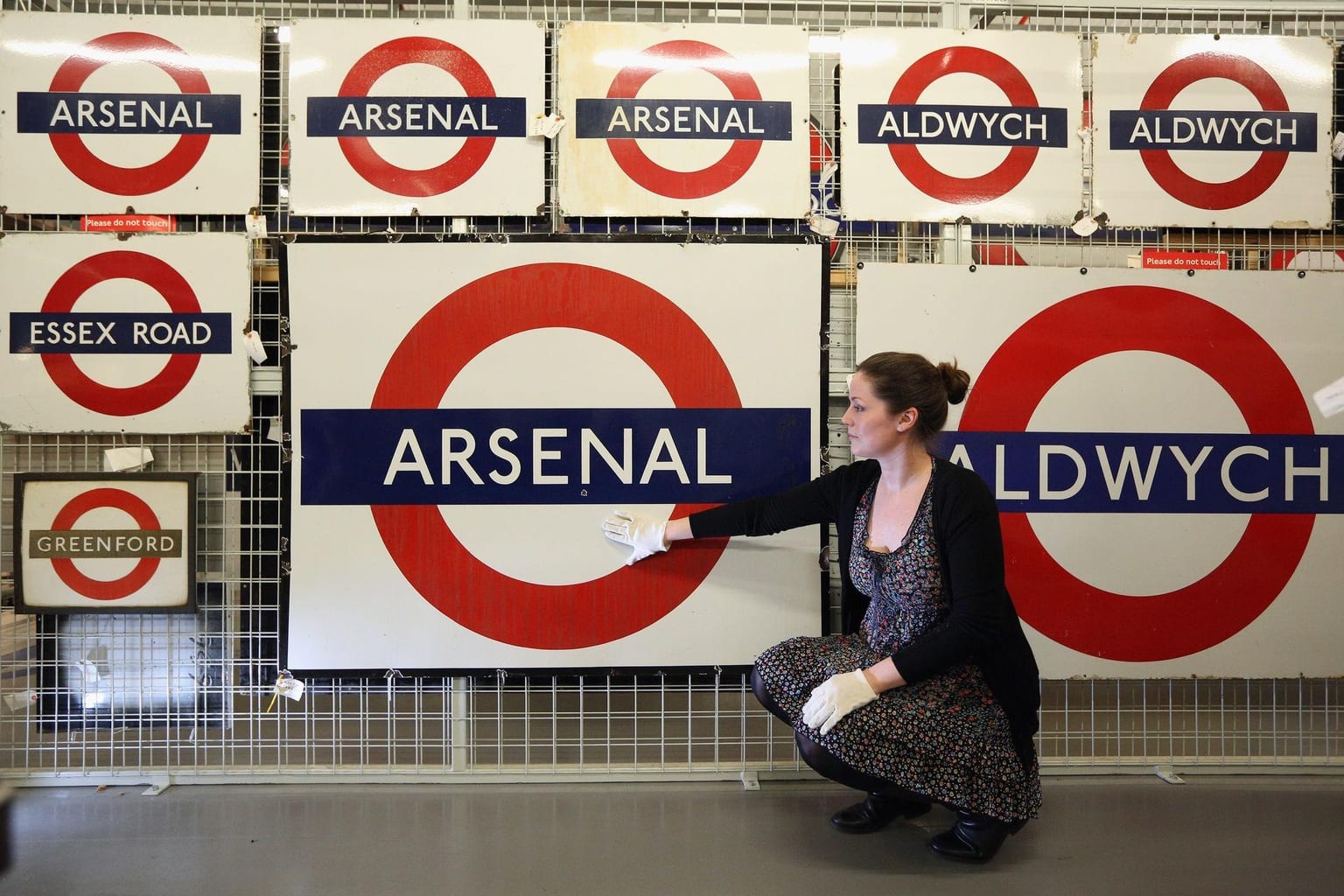
£237,000 Heritage Grant to Preserve Thousands of Historic Transport Signs at Acton Depot
A collection of more than 3,300 historic London transport signs held at the London Transport Museum Depot in Acton is set to benefit from a £237,000 heritage grant, helping preserve an important part of the capital's transport history for future generations.
The funding from the National Lottery Heritage Fund will support conservation work and improve public access to a remarkable collection of signs that tell the story of London's changing transport network.
From familiar Underground station signs to examples of historic lettering and wayfinding, these objects provide a visual record of how millions of Londoners have travelled around the capital over the decades.
For Acton, the announcement highlights the significance of a major heritage collection housed within the local community.
At a Glance
A Hidden Treasure in Acton
London Transport Museum's Depot in Acton is one of west London's important heritage attractions. Unlike the museum's main exhibition space in Covent Garden, the Acton Depot houses an extensive collection of objects that are not normally displayed in the central London museum. These include historic vehicles, engineering equipment, posters, photographs and signs associated with London's transport system. For enthusiasts, researchers and families, the depot offers an opportunity to explore the engineering, design and social history behind the capital's buses, trams and Underground trains. The new funding focuses attention on one particularly distinctive part of that collection: its historic signage. Why London's Transport Signs MatterLondon's transport signs are more than practical instructions. Over generations, their colours, typography, materials and symbols have become some of the capital's most recognisable design features. Station nameboards, directional signs and route information helped passengers navigate a rapidly expanding city. They also reflect changes in manufacturing techniques, graphic design, public information and the development of the transport network itself. Some signs represent stations and routes that have changed names or disappeared altogether. Others demonstrate how London's transport identity evolved into the familiar visual language used today. Preserving these objects helps protect the history of the city as well as its transport system.
What Will the £237,000 Grant Support?The funding will help London Transport Museum undertake conservation work on its historic signage collection and improve opportunities for people to engage with the objects. A collection of more than 3,300 signs presents significant practical challenges. Individual items may require specialist handling, cleaning, assessment or conservation, depending on their materials and condition. Making a collection more accessible can also involve improved documentation, interpretation and opportunities for public engagement. The grant provides an opportunity to ensure that these historic objects remain available for study, appreciation and future exhibitions. Importantly, the award should not be interpreted as a commitment to put every sign on permanent public display.
A Story of Design as Well as TransportLondon's transport network has played an influential role in British graphic design. The familiar Underground roundel, distinctive station lettering and clear directional signs have helped establish an internationally recognised visual identity.
That design heritage has practical roots. As the transport network grew, passengers needed signs that could be understood quickly and consistently, often in busy or unfamiliar environments. The resulting approach to typography and visual communication became an important part of London's character. The Acton collection offers a fascinating way to trace those changes through original objects rather than photographs alone.
Why This Matters to ActonFor residents of Acton and the wider London Borough of Ealing, the grant is a reminder that internationally significant collections can be found close to home. The depot attracts visitors interested in transport, engineering, history and design. Its collections also provide opportunities for education and community engagement, connecting younger generations with the people, technology and creative ideas that shaped London's development. Heritage investment of this kind helps maintain specialist knowledge and protects objects that could otherwise deteriorate over time. It also reinforces Acton's place within London's cultural and industrial history.
Visiting London Transport Museum DepotThe Acton Depot is located on Museum Way, near Acton Town Underground Station. It is not generally open to the public every day, but visitors can explore the collections during selected open days, guided tours and special events. Those interested in seeing the depot should check the official museum website for forthcoming opportunities.
Useful links: Preserving a Familiar Part of London's IdentityFor millions of people, transport signs are part of everyday life. They guide journeys, identify destinations and help make a complicated transport network understandable. Yet behind their familiar appearance lies a history of design, engineering and changing city life.
The £237,000 heritage award will help ensure that thousands of these historic objects are preserved and made more accessible. And with the collection housed in Acton, this is a heritage success story that Ealing residents can rightly take an interest in. More Detail: Local Volunteers and Heritage SkillsThe project is called Acton Access: Signs, Stories and Skills. Alongside preserving the signs, it will involve local volunteers and community participants in researching the stories behind them. It will also offer training and paid work experience placements in collections management, heritage interpretation and storytelling. The museum plans to review and reorganise the collection, improve storage and identify duplicate signs that could potentially be transferred to other museums and public organisations. static.actonw3.com
This is an important addition to the article because it demonstrates that the investment isn't just about preserving objects — it will also create opportunities for local people. |
0 Comments
Join the conversation
Be the first to comment
Share your thoughts above.